Huckleberries
Why Picking Huckleberries is an Exercise in Mindfulness
Because
when your eyes
outrun your fingers
all you get
is leaves.
- Robert Love
________________
If you’re not familiar with huckleberries, they are close cousins of blueberries. Hucks don’t grow naturally outside of North and South America. Here in the U.S, you’ll primarily find them in the Pacific Northwest and Rocky Mountains, at higher elevations, over 3,000 feet. From what I’ve heard and read, while it’s not impossible to grow your own hucks, it’s really difficult. Most people who try to grow them aren’t successful. Hucks require the wilderness of the woods.
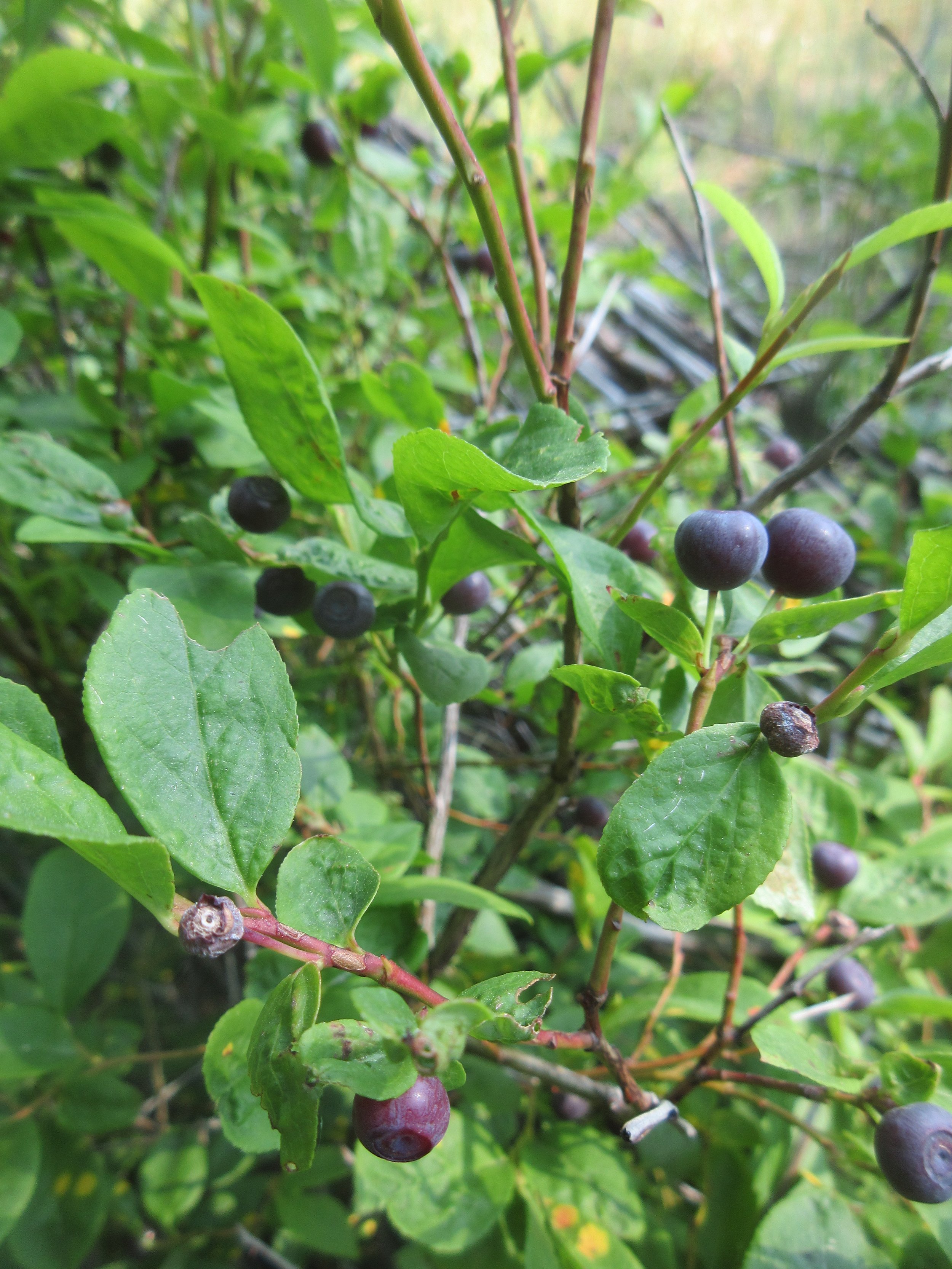
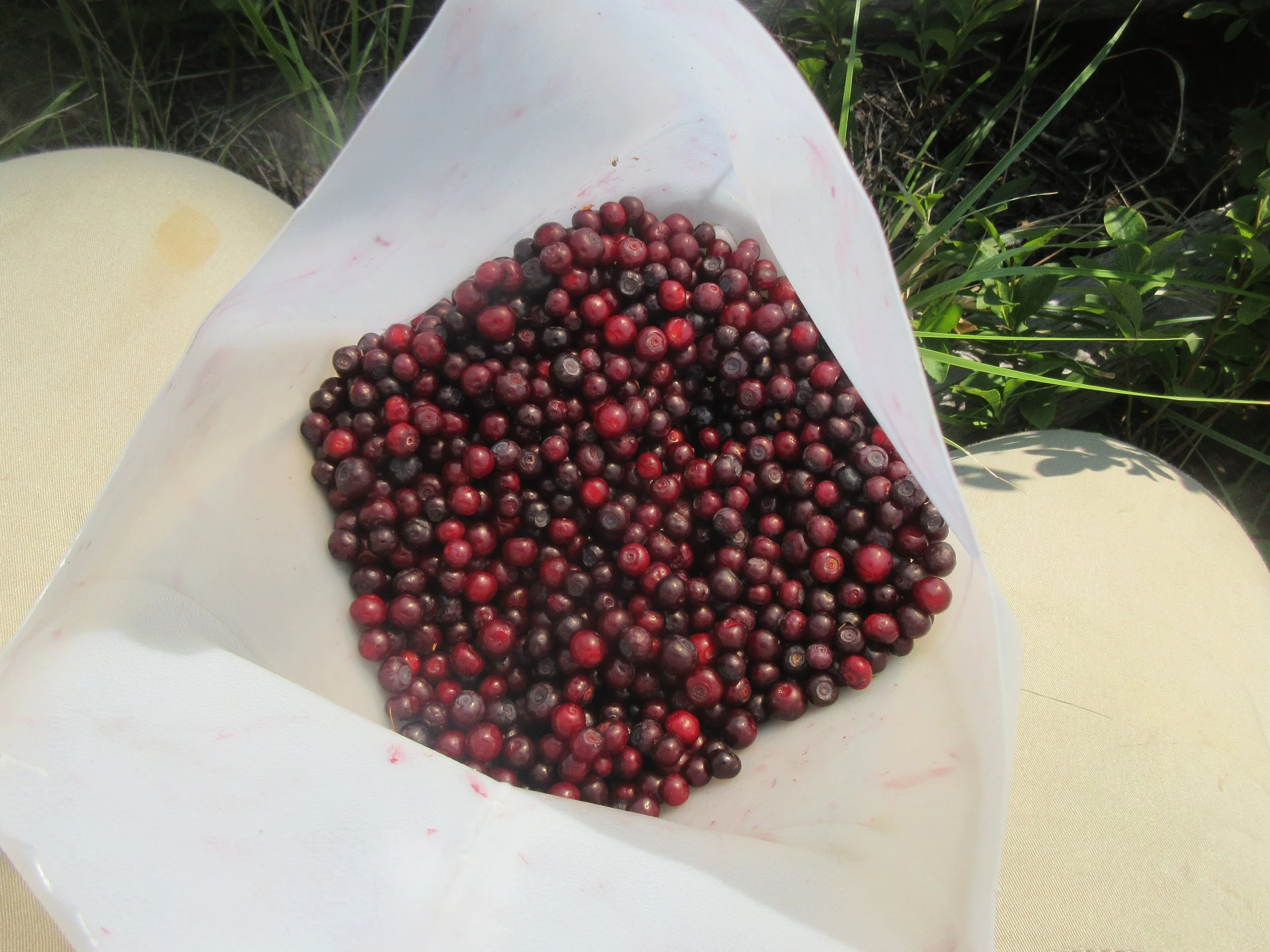
Here in Montana, we have 7 different varieties of hucks that are native. And some of them grow together side by side. In the patch we pick closest to Empty Mountain every summer, which is a little over 7 miles further up the gravel road from us, there are at least 3 kinds. When I looked it up online, it seems we have globe huckleberries, thin-leaf huckleberries, and also grouse whortleberry in our neck of the woods. The grouse whortleberry is a type of huck that grows above 5,000 feet and produces small bright red berries. The spot we frequent each summer is situated at 5,800 feet and definitely has that type in the patch we pick. It’s been fun to see and taste the different kinds.
This year has been a very low yield year for hucks. In all parts of western Montana from what I’ve read in the news. We had a late frost in May which drastically and negatively impacted the plants. Since hucks are a big part of the diet of black bears and grizzly bears (up to as much as 50% in late summer), people are reporting increased backyard bear activity in certain areas around western Montana. With the berry yield so low, the bears are needing to seek hibernation stock up resources elsewhere. With a little bit of info, it’s easy to see how truly everything is interconnected.
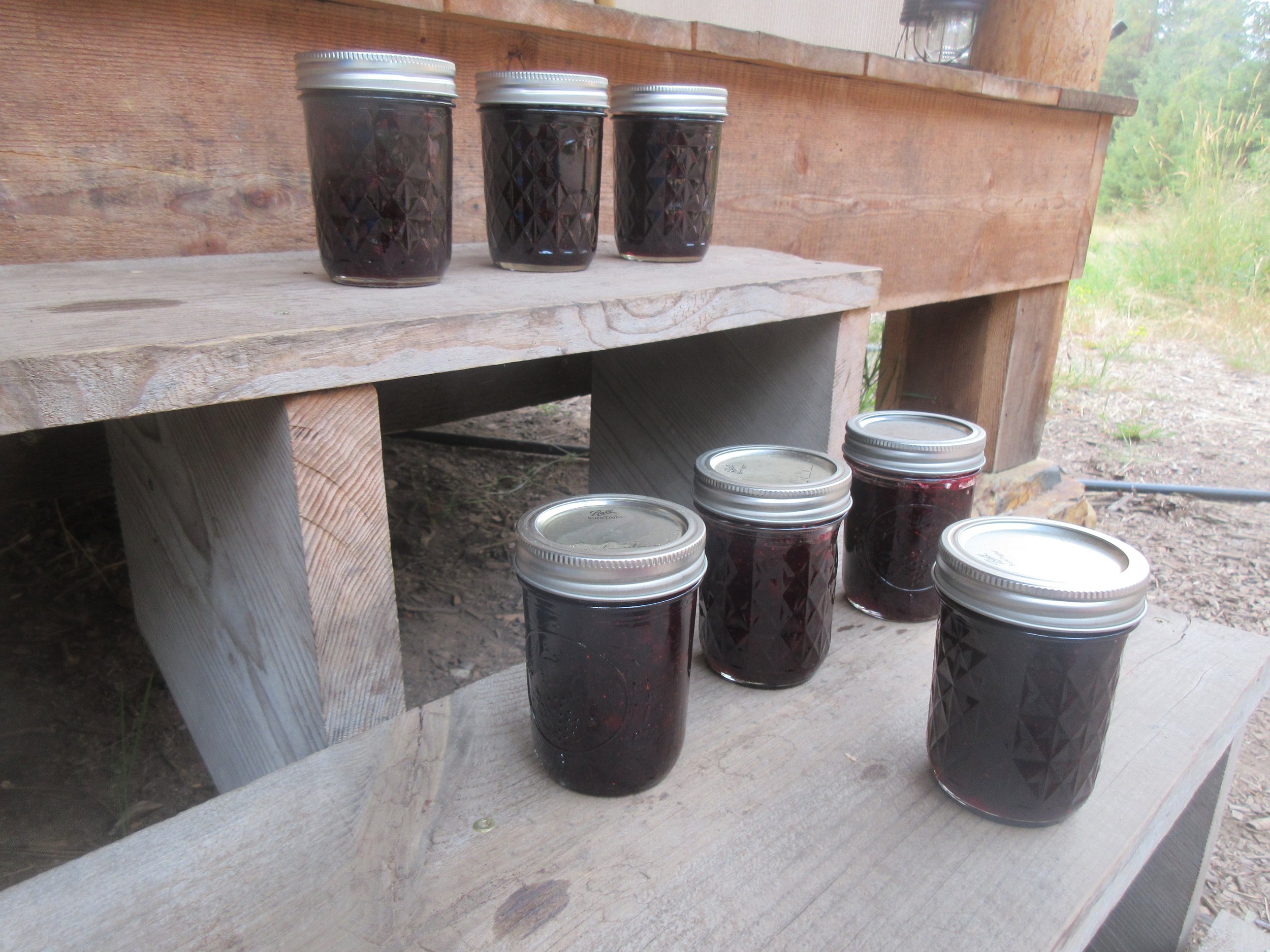
We have two huck patches we visit each summer. The lower elevation patch had near zero berries. All of the leaves on the plants were yellow and dotted with holes. But I managed to go solo picking at our higher spot twice in the last 10 days. The amount of plants with berries was way low, but I managed to collect enough to make a small batch of jam, with enough leftover to make a few huckleberry pancakes.
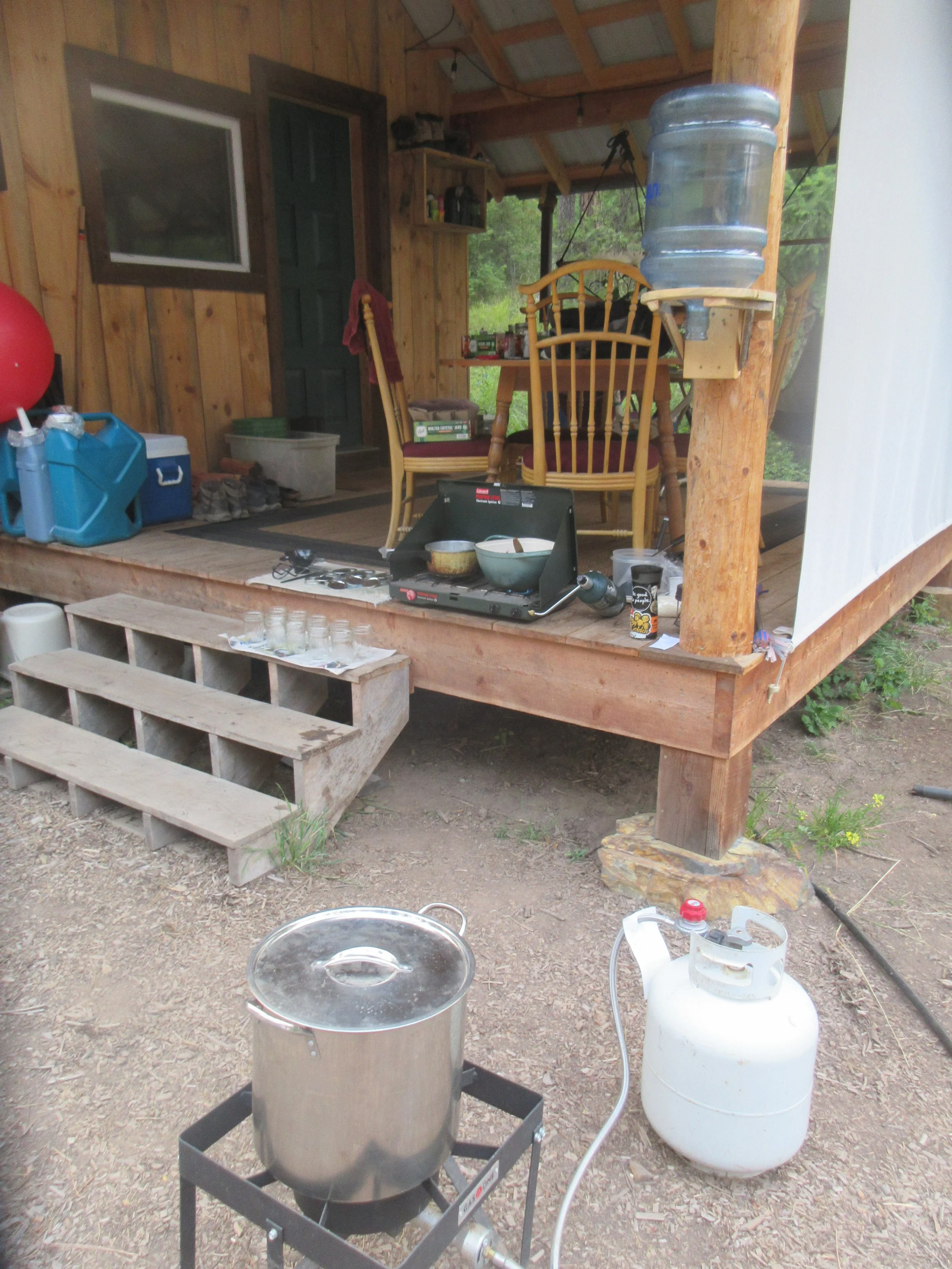
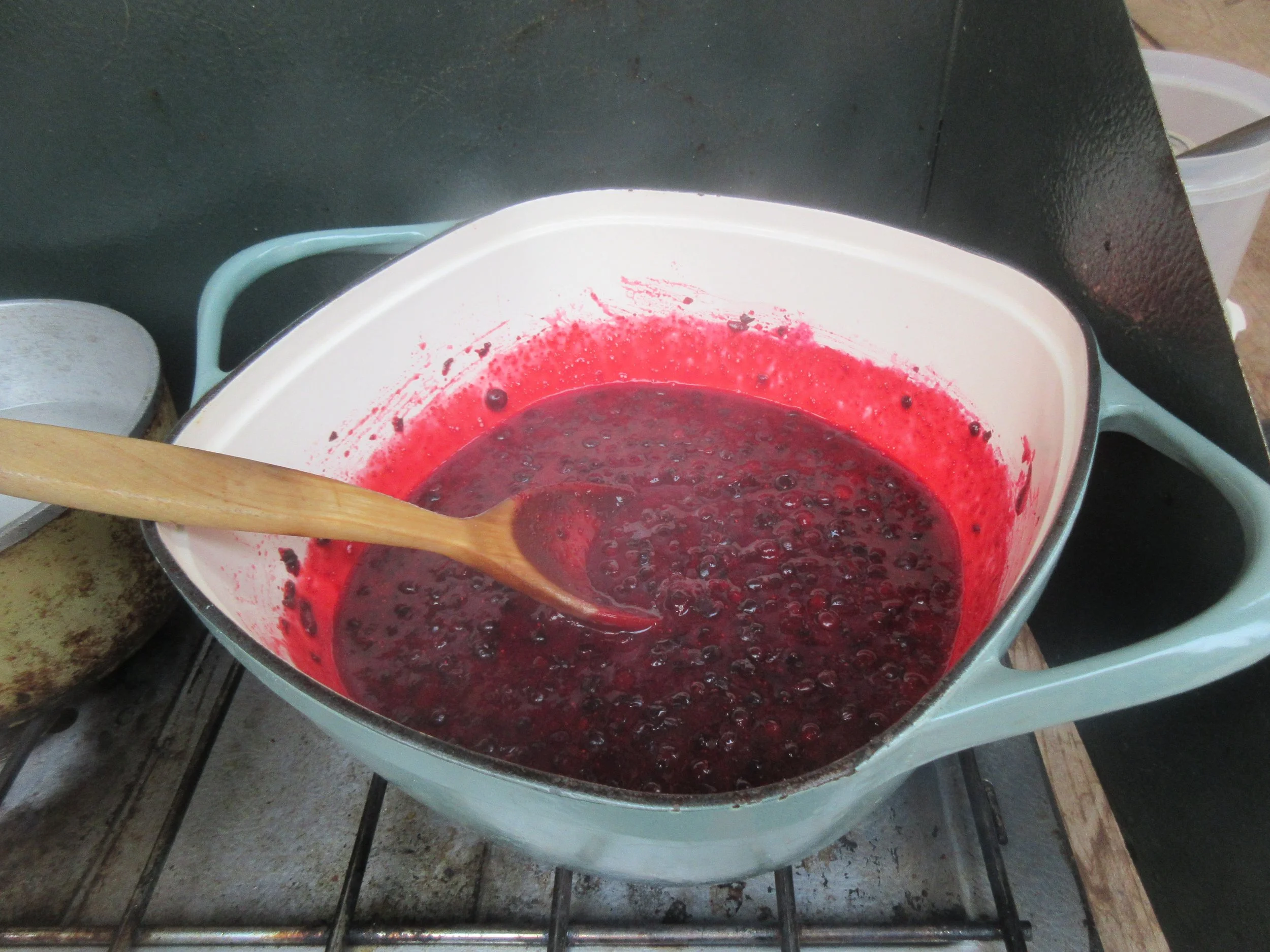
I’m still new to making and canning huck jam. So every summer when the hucks are ripe and ready for picking, I have to re-learn how to prepare the berries and can them up. I have my set up down now though, which is nice. I borrow a big pot from a friend and make up the jam and do the canning outside.
According to the notes I took last year, I was thinking I would be able to get 10 8oz jars filled up with the 7.5 cups of berries I had, but I only managed to get 7 jars filled. One of my favorite things is to gift the jars of huck jam to friends and family, so my plan is to keep maybe 3 or 4 for us and give the rest away. One of the very best things is to be able to open a jar of huck jam in the middle of winter with berries you picked in the summertime.
Huck picking isn’t for everyone. Huck picking takes time and is slow going. If you just want to pick a small amount to throw into your oatmeal or eat raw, that won’t take too long. But in order to pick enough hucks to make jam or syrup, you need to be out there for a while. Hucks are small and they grow individually, not in groups. You can only hand-pick them one at a time.
Come mid-summer, you can find people selling hucks at farmer’s markets and roadside fruit stands pretty easily. Right now they are selling around here for $20-$26 a pound.
Hucks are a luxury and delicacy here in Montana. And the picking season is really short. Once they’re ready you have to get at em before they fade or the bears (or other people) gobble them all up.
Picking hucks is one of my favorite summer activities here. The quietude of the woods and the way berry picking naturally holds my attention works really well for me. Berry picking calms and brings ease to my whole mind/body/heart system. Getting to the patch to pick can sometimes require me to rally my energy to go and do it, especially if I’m going on my own, but once I’m there I’m set and I just love it. I often need to set an alarm or predetermine a departure time so I don’t stay out too long. As much as I enjoy it, it’s also an activity that can be hard on the body, based on how the hucks grow and what’s required in terms of picking them.
Recently, a sangha friend shared with me that when she’s able to go out at least once to pick hucks, she feels she has done summer right. She told me this in a text and wrote the last word like this: “right.” I took that to mean: What does right even mean? Is there a wrong way to do summer? But I, like many others, maybe especially around here, know what she means. With how short our summers are, many people cram it full and go full throttle trying to make the very most of every bit of it. I used to live my summers that way too. But since we moved into the woods, I’ve been making a concerted effort to change that frantic drive to stay always in motion in the summertime. I’m learning from the trees how to slow my roll more and do less. How to allow the small and simple things to be more than enough and plenty. How to be still, content, and happy.