
The Intimacy of Objects
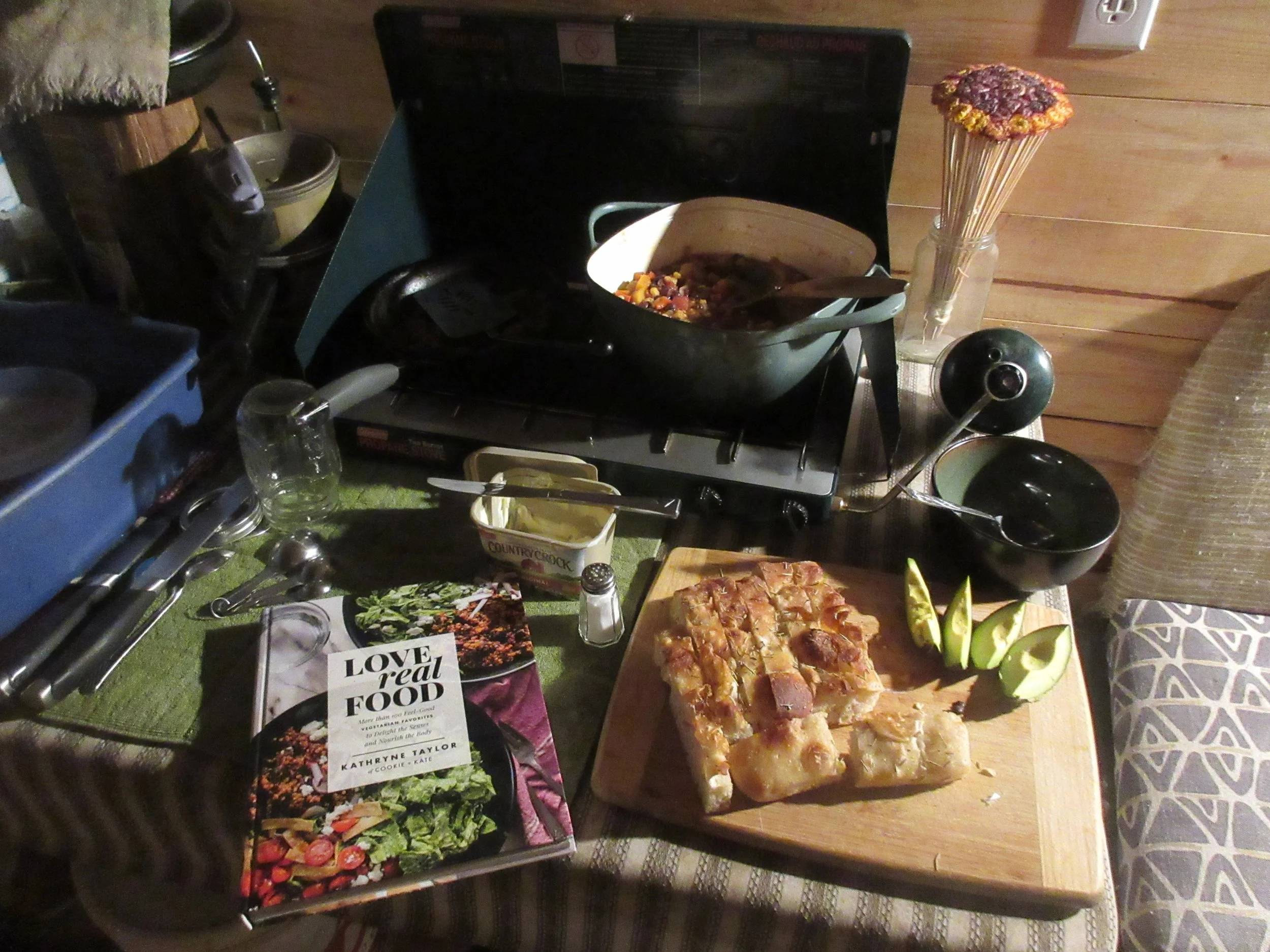
I find it unfortunate that the idea of intimacy has been largely commandeered by our collective culture to apply to a quality of connection that exclusively pertains to romantic and/or sexual partnerships. In my trusty Mirriam-Webster’s dictionary, circa 1997, whose binding is lovingly fashioned together with masking tape, one of the definitions for intimacy is as follows: marked by very close association, contact, or familiarity. It also describes it as: of a very personal or private nature. But my favorite meaning of the word that it mentions in the definition is: marked by a warm friendship.
If we can expand our way of thinking about intimacy and regard it as a quality of engagement - of being “marked by a warm friendship” - that can be applied to any and all forms of interaction & relationship, a very large doorway opens in the realm of possibility when it comes to feeling a genuine felt sense of connection, togetherness, and belonging.
A number of years ago, guided by a specific prompt in Brene Brown’s book Dare to Lead to help folks determine what their two main core values are that they deem to be most important (which you can engage with here through her website), I discovered that mine were: connection and spirituality. Getting clear and making it conscious about what my core values were helped me to learn how to better manage my time and energy and intentionally prioritize what mattered most to me. Intimacy is not included on Brene’s list of values in the book, though she makes sure to mention that it is not an all encompassing list. There is room on the list at the bottom to write your own. But when I think of connection, I think specifically of intimate connection. I think of the kind of connection that is marked by a warm friendship. I deeply value forming the bonds of intimate connection with: myself, others, the earth, and the world. And this way of connecting can take many forms.
It can look like a warm-hearted consideration of strangers when passing by them in the store or making a genuine effort to stay in touch with a long distance friend who you want to keep close to despite the many miles in between your physical locations. It can look like being intentional about not becoming cynical of humanity as a whole or taking small steps to reduce our impact on the earth. It can also include, and here’s where I might lose you, an intimacy with inanimate objects.
Here at EM, I enjoy giving names to certain things. Naming an object or item helps me to form a sense of closeness with it. When I name something I breathe life into it. I give it a pulse. I put context to it. I enter into a relationship with it, versus regarding it merely as a physical object separate from myself that I use and then throw away when it breaks. I don’t give names to everything, mind you. Just certain things. I also practice to form intimacy with the objects around me in other ways.
For example, as a writer I prefer a very specific type of pen, which I use to write in my paper journal most every day in the early morning. Recently I was curious about how long one pen lasts me so I decided to keep track. I learned that one pen lasts me around 2 months. My long-standing habit when one of my pens runs out of ink is to intentionally acknowledge its important presence in my life over the past 2 months. I thank it for its incredibly important service in having allowed me the ability to write, and for the daily company it offered me. I then give it a quick smooch before I toss it in the trash.
It’s worth mentioning that I don’t usually go around trying to name things. I mostly operate on inspiration. Moreso I listen to what the object has to say, versus forcing my will of intellect upon it. I know how all of this may sound and seem. If you think this all sounds a little too “out there” for your way of thinking, that’s fair enough and I get it. But for me there exists the potential to extend the energy of warm friendship with objects, and to do that requires a certain level of interest and openness to find actual ways to put that energy into active motion. Naming things is one way. Offering heartfelt appreciation is another. There are many ways to go about it. I also like to talk out loud to objects, as though they were sentient beings.
This winter we tooled up and purchased a 10-ton hydraulic wood splitter for the purposes of chopping wood for our wood stove inside the cabin, which serves as our sole source of heat. Using the axe just wasn’t cutting it. Literally! As the main wood cutter of our team here at EM, I average going out twice a week to chop wood, for approximately 20-minutes, to keep up with our current usage. The other day, as I was putting the wood splitter away after using it, I stumbled upon its name. Ruby. The name just arose. It is red in color, so there’s that, but I wasn’t trying to find a name for it. Now when I engage with it, I say hello and goodbye to it. I call it by its name. And already I’ve given it a nickname, as us humans lovingly tend to do with the ones we’re closest to. Her nickname is Rubester. And yes, I do regard Rubester as being a female “her.” Giving certain things a gender helps me to further bring them to life. My current car is female. Her name is Jersey. My last car was male. My motorcycle is also male. But again, I don’t name everything, nor do I give genders to everything. But I find that the things I do name and give a gender to come more to life in my consciousness, which allows me to feel a closer kinship with them.
I can’t fully explain these things, which is the case with anything in which I regard as being part of the expansive realm of the poetry of living. Even I, as a writer and poet and great lover of words, know full well that words, while incredibly important and valuable, can only take a person so far.
I consider it a valuable undertaking to forge a level of intimacy with the objects around me. It helps me not to take things for granted or to use things mindlessly. I’ve also learned it’s a really good way to practice energetically connecting with people. Practicing to regard objects with a felt sense of appreciation, affection, and warm-hearted consideration extends itself to include the people around us as a natural result, whether we know them or like them or not. And the more we can enfold others into our heart instead of casting them out as “them” or “other” or separate from ourselves, the better off we will all be.